Politica
The Crimean War Redux: Putin’s Calculated Provocation and the West’s Moment of Truth
Russian jets in Estonian skies and drones on Polish soil mark a chilling new phase of gray zone warfare. This editorial examines Putin’s calculated provocations, Trump’s transactional missteps, NATO’s credibility crisis, and the West’s looming choice between strength and decline.
 Por Oliver N.E. Kellman, Jr., J.D.
THE CRIMEAN WAR REDUX: PUTIN’S CALCULATED PROVOCATION AND THE WEST’S MOMENT OF TRUTH
“The lamps are going out all over Europe; we shall not see them lit again in our lifetime.” These words, spoken by British Foreign Secretary Sir Edward Grey in 1914, haunt the corridors of power today as Russian MiG-31 fighter jets pierce Estonian airspace with impunity, and Moscow’s drones rain down on Polish soil like harbingers of a gathering storm. Yet unlike the sleepwalking powers of 1914, today’s crisis unfolds with chilling deliberation. In this calculated chess match, Vladimir Putin moves his pieces with surgical precision while the West struggles to comprehend the rules of the game being played.
The Theater of Provocation
A Masterclass in Strategic Ambiguity
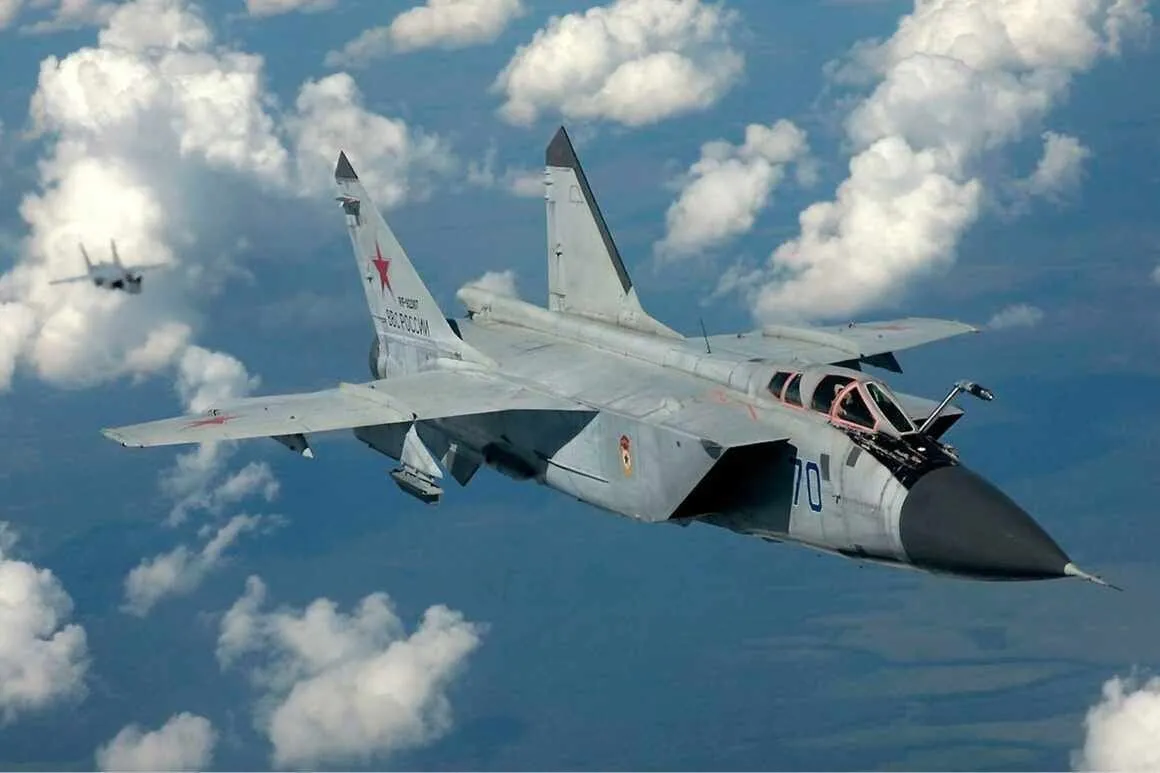
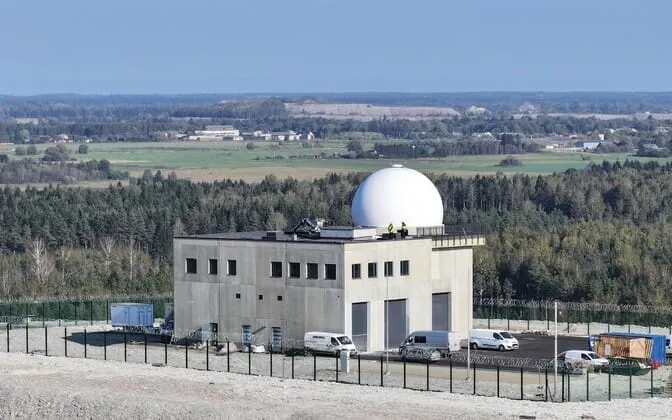
The latest Russian airspace violations represent far more than mere territorial infractions, they constitute a sophisticated campaign of strategic probing reminiscent of Bismarck’s careful orchestration of crises to achieve maximum political effect with minimal military risk. On September 18, 2025, three Russian MiG-31 interceptors penetrated Estonian airspace near Vaindloo Island for a deliberate twelve-minute incursion, their transponders switched off, maintaining radio silence as they executed what can only be described as a reconnaissance-in-force of NATO’s response mechanisms.
This calculated violation, occurring mere days after Poland’s unprecedented engagement with 19-23 Russian drones, marks the first time since the Ukraine conflict began that NATO forces have directly fired upon Russian assets. The symmetry is too precise to be coincidental, Russia is systematically testing NATO’s tripwires, mapping response times, and gauging political cohesion with the methodical precision of a laboratory experiment.
Like Metternich’s Austria probing the revolutionary movements of 1848, Putin employs what modern strategists term “gray zone warfare,” operations deliberately calibrated to remain below the threshold of Article 5 activation while achieving significant strategic objectives. The choice of the MiG-31 platform is particularly provocative, as these aircraft are capable of carrying Kinzhal hypersonic missiles, adding an implicit nuclear dimension to what Moscow carefully frames as routine patrol activities.
The Orchestrated Symphony of Escalation
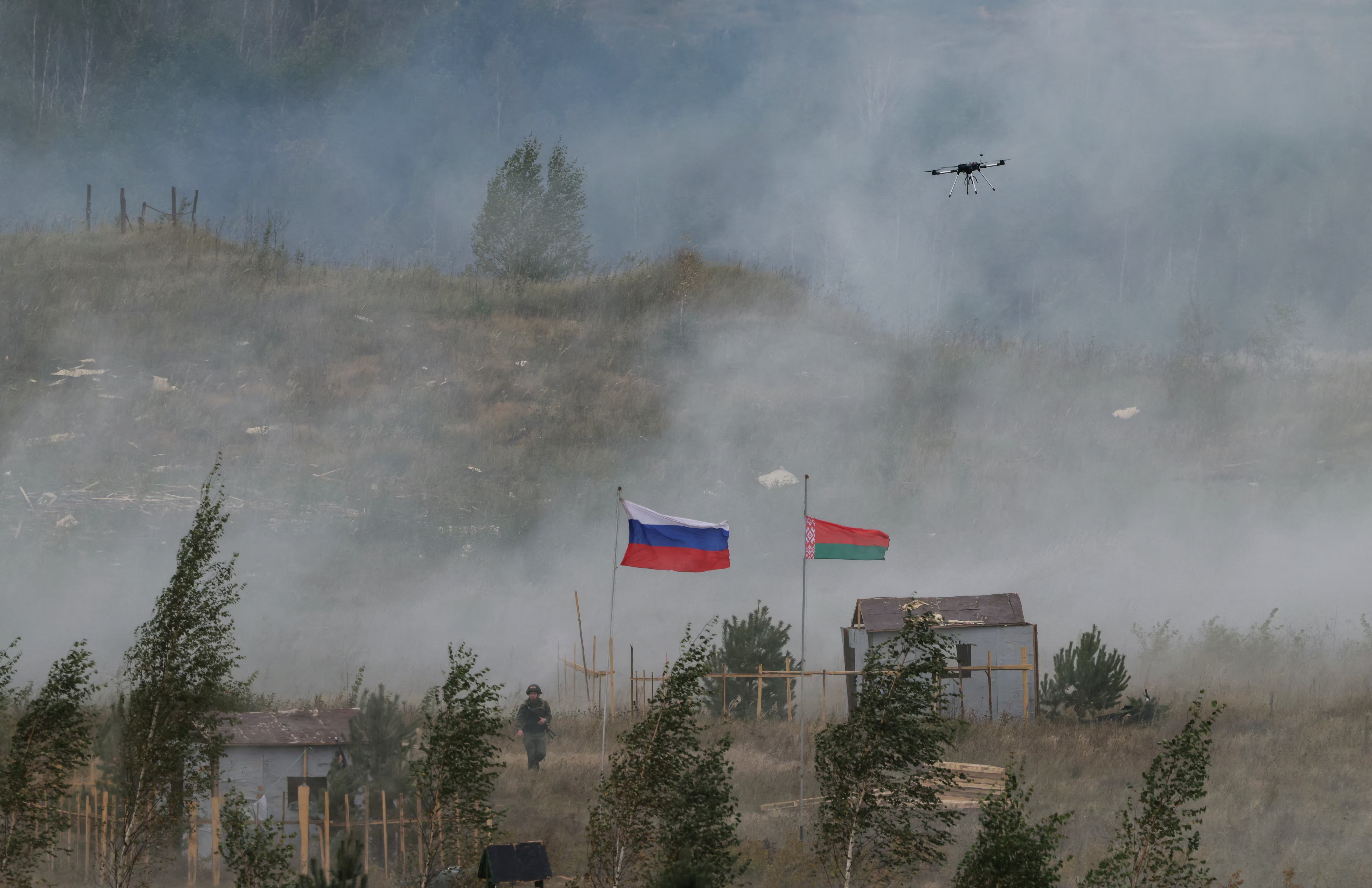
The temporal coordination between the Zapad 2025 military exercises (September 12-16) and these immediate airspace violations reveals Putin’s strategic thinking in stark relief. Much like Napoleon’s calculated provocations before Austerlitz, these maneuvers represent more than military posturing; they constitute psychological warfare designed to demonstrate Russian capabilities while creating plausible deniability.
The Zapad exercises, conducted jointly with Belarus, explicitly practiced nuclear delivery scenarios and rapid escalation protocols. When followed immediately by coordinated airspace violations across multiple NATO members, the message becomes unmistakable: Russia possesses both the capability and willingness to escalate at times and places of its choosing, forcing NATO into reactive rather than proactive postures.
This pattern mirrors Khrushchev’s Berlin Crisis strategy of 1961, applying pressure through calculated provocations while maintaining channels for diplomatic de-escalation. Putin’s genius lies in exploiting NATO’s fundamental dilemma: respond too weakly, and invite further aggression; respond too strongly, and risk triggering the very conflict the alliance seeks to prevent.
The American Variable
Trump’s Transactional Gambit
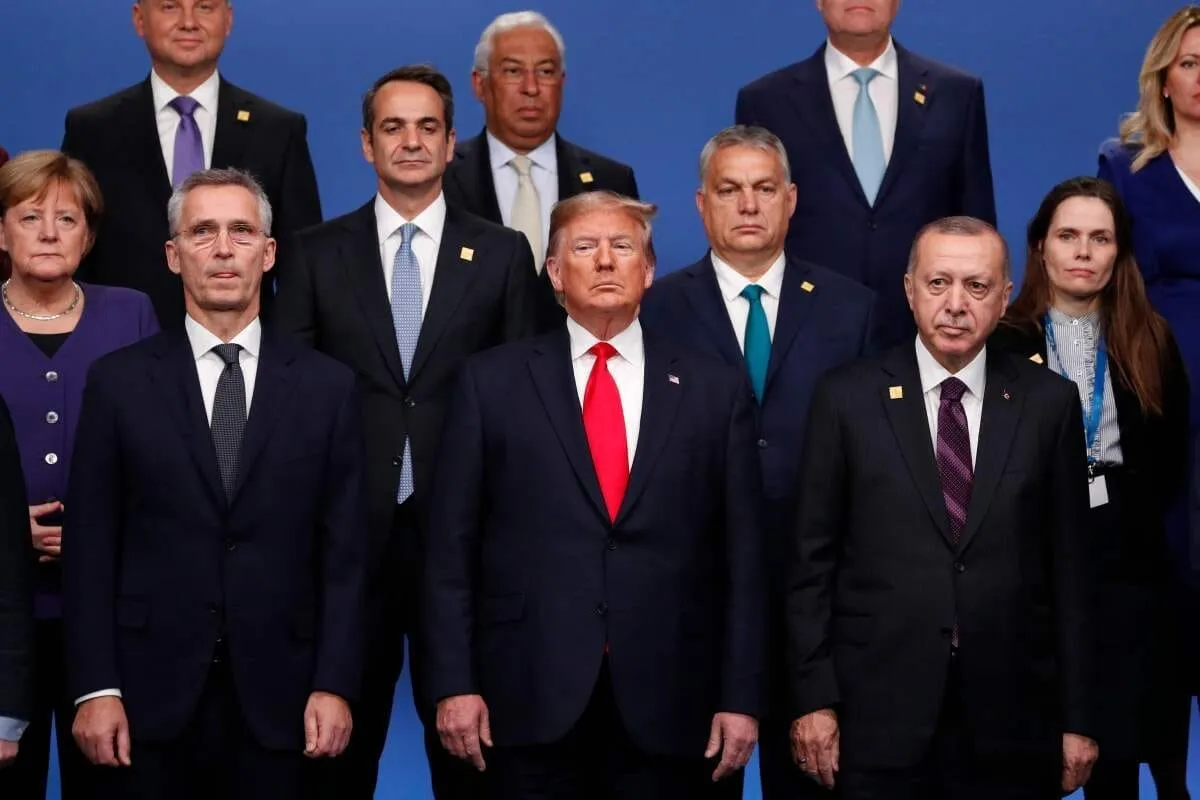
President Trump’s recent statements regarding Putin, declaring that the Russian leader has “really let me down,” reveal the profound miscalculation underlying current American foreign policy. Speaking alongside British Prime Minister Keir Starmer on September 18, Trump expressed bewilderment that his “personal relationship” with Putin has failed to yield the diplomatic breakthrough he anticipated.
This public disappointment exposes a fundamental misreading of Putin’s strategic calculus. The Russian president is not seeking personal accommodation with Trump but rather exploiting American strategic confusion to advance long-term geopolitical objectives. Trump’s transactional approach, treating NATO commitments as conditional based on defense spending levels, has inadvertently created the very uncertainty Putin seeks to exploit.
The June 2025 NATO summit in The Hague, where Trump secured commitments for 5% GDP defense spending by 2035, represents both triumph and tragedy. While European allies agreed to unprecedented defense investments, Trump simultaneously undermined Article 5’s credibility by linking American security guarantees to financial contributions. This conditional approach to collective defense, reminiscent of the Holy Alliance’s selective interventions in the 1820s, has created strategic ambiguity that Putin exploits with surgical precision.
The Baltic Paradox: America’s Retreat in Europe’s Hour of Greatest Need
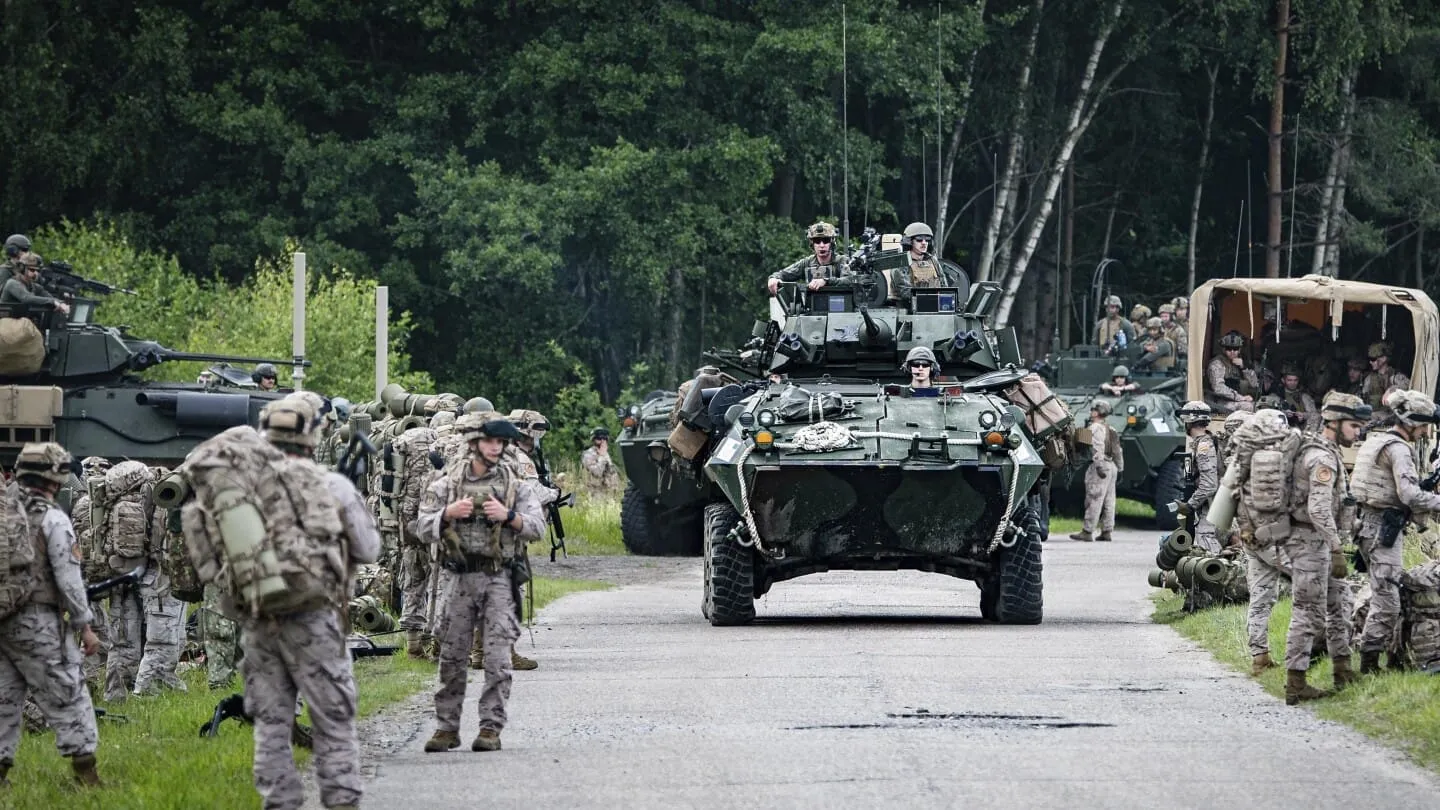
Perhaps most alarming is the Trump administration’s decision to cut the Baltic Security Initiative and other European defense programs, affecting hundreds of millions in military assistance. This reduction of American support occurs precisely as Russian provocations intensify along NATO’s most vulnerable frontier, a strategic miscalculation that would have appalled Dean Acheson or George Kennan.
The Baltic states, spending 5% of GDP on defense while facing the most direct Russian threat, find themselves increasingly isolated despite their exemplary burden-sharing. Lithuanian Foreign Minister Gabrielius Landsbergis warns that any cuts to American military support would “only weaken the credibility of NATO’s attempts at deterrence,” a prophetic observation that echoes Chamberlain’s belated recognition of Hitler’s true intentions in March 1939
The Strategic Endgame
Putin’s Long Game Revealed
Putin’s current campaign represents the culmination of a multi-year strategy to fracture NATO’s collective defense framework while establishing precedents for future territorial aggression. The violations against Estonia and Poland are not isolated incidents but rather coordinated elements of a broader offensive designed to achieve several strategic objectives:
First, the normalization of sovereignty violations through repetition, each unchallenged incursion establishes new baseline expectations and erodes the psychological deterrent effect of NATO membership. Like the Rhineland remilitarization of 1936, these violations test Western resolve while creating a fait accompli that becomes increasingly difficult to reverse.
Second, the mapping of NATO’s defensive capabilities and decision-making processes, Russia is conducting real-time intelligence collection on alliance response protocols, communication networks, and political decision loops. This reconnaissance-in-force provides invaluable data for planning future operations while imposing minimal costs on Moscow.
Third, the exploitation of NATO’s consensus-based decision-making to paralyze collective responses, by operating below Article 5 thresholds while exceeding normal diplomatic protest levels, forces Putin to operate below the radar of collective responses, thereby favoring Russian objectives.
The Historical Parallel
Echoes of 1853
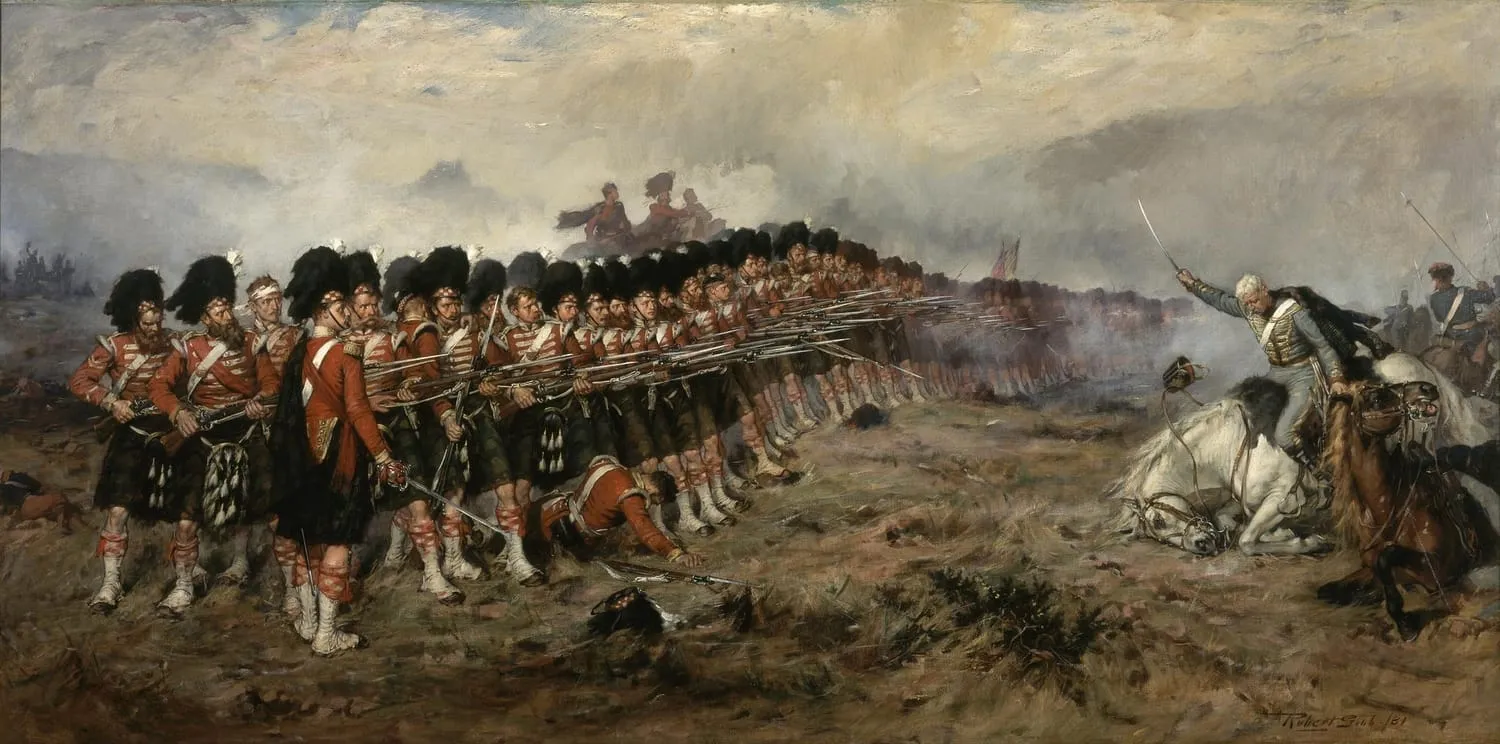
The current crisis bears uncomfortable similarities to the prelude to the Crimean War of 1853-1856, when Tsar Nicholas I systematically tested European resolve through calculated provocations while Western powers struggled to formulate coherent responses. Like his
predecessor, Putin exploits the gap between stated commitments and demonstrated capabilities, gradually escalating pressure while maintaining plausible deniability.
The danger lies not in the immediate violations themselves but in their cumulative effect on alliance credibility and deterrent strength. As Lord Palmerston observed during the Eastern Question crisis, “The real policy of England is to be the champion of justice and right; pursuing that course with moderation and prudence, not becoming the Quixote of the world, but giving the weight of her moral sanction and support wherever she thinks that justice is.”
Today’s NATO faces the same fundamental challenge: how to maintain credible deterrence without triggering the very conflict it seeks to prevent. Putin’s genius lies in exploiting this dilemma, forcing the alliance to choose between escalatory responses that risk wider war and passive responses that invite further aggression.
The Moment of Truth
Choices That Will Define the Next Decade
The West now confronts its Cuba Missile Crisis moment, not in the dramatic confrontation Kennedy faced in 1962, but in the slow-motion erosion of deterrent credibility that preceded both world wars. Putin’s calculated provocations demand responses that current Western political frameworks struggle to provide.
The path forward requires abandoning the comfortable fiction that personal diplomacy can substitute for strategic coherence. Trump’s disappointment in Putin reveals a fundamental misunderstanding of the forces at work, this is not a negotiation between business partners seeking mutual accommodation, but a civilizational contest between fundamentally incompatible visions of international order.
Europe faces the stark choice between strategic autonomy and continued dependence on an increasingly unreliable American security guarantee. The irony is profound: Trump’s pressure for increased European defense spending may ultimately achieve the strategic independence that European leaders have long discussed but never seriously pursued.
As Churchill observed in his Fulton speech, “There is nothing the Russians admire so much as strength, and there is nothing for which they have less respect than weakness.” The current Russian provocations will continue until they encounter resistance sufficiently credible to alter Putin’s cost-benefit calculations.
The question is no longer whether Russia will continue testing NATO’s resolve, but whether the alliance possesses sufficient unity and determination to pass the test. History suggests that half-measures and diplomatic protests will only encourage further provocations. The time for
strategic clarity has arrived, before Putin’s calculations shift from probing Western resolve to exploiting Western weakness.
The lamps of European security flicker once again. Whether they are extinguished depends on choices being made in Washington, Brussels, and national capitals across the alliance. The ghosts of 1914, 1939, and 1956 remind us that great powers sometimes sleepwalk into catastrophe through failures of strategic imagination.
This time, we cannot claim we were not warned.
Oliver N.E. Kellman, Jr., J.D.Managing Partner & Executive Managing DirectorInsights na sua caixa de entrada
Assine para receber as nossas analises e novidades na sua caixa de entrada.
Respeitamos a sua privacidade. Cancele a qualquer momento.
Analises relacionadas

Republican Party Crisis: American Democracy in Decline
Oliver Kellman analyzes the collapse of conservative principles and the dismantling of institutional safeguards within the modern Republican Party.
Ler artigo
The Exclusive Citizenship Act: Why Ending Dual Citizenship Threatens U.S. Power
Senator Bernie Moreno’s Exclusive Citizenship Act would strip millions of Americans of citizenship, violate Supreme Court precedent, and directly sabotage President Trump’s Gold & Platinum Card investment strategy.
Ler artigo
The Forgotten Architecture of Détente: How NATO Expansion Ignited a Geopolitical Crisis
A deep geopolitical analysis of the 1990 Baker–Gorbachev assurances, NATO’s eastward expansion, the security dilemma in international relations, and why the Ukraine war reflects systemic strategic miscalculations by the West, Russia, and NATO. A realist, historically grounded assessment of how deterrence failed — and why pragmatic compromise may be the only path to avoiding further catastrophe.
Ler artigoMantenha-se informado
Assine para receber as nossas analises e novidades na sua caixa de entrada.
Respeitamos a sua privacidade. Cancele a qualquer momento.