Politica
The Forgotten Architecture of Détente: How NATO Expansion Ignited a Geopolitical Crisis
A deep geopolitical analysis of the 1990 Baker–Gorbachev assurances, NATO’s eastward expansion, the security dilemma in international relations, and why the Ukraine war reflects systemic strategic miscalculations by the West, Russia, and NATO. A realist, historically grounded assessment of how deterrence failed — and why pragmatic compromise may be the only path to avoiding further catastrophe.
 Por Oliver N.E. Kellman, Jr., J.D.
THE FORGOTTEN ARCHITECTURE OF AMERICAN-SOVIET DÉTENTE: NATO EXPANSION AS STRATEGIC BLUNDER
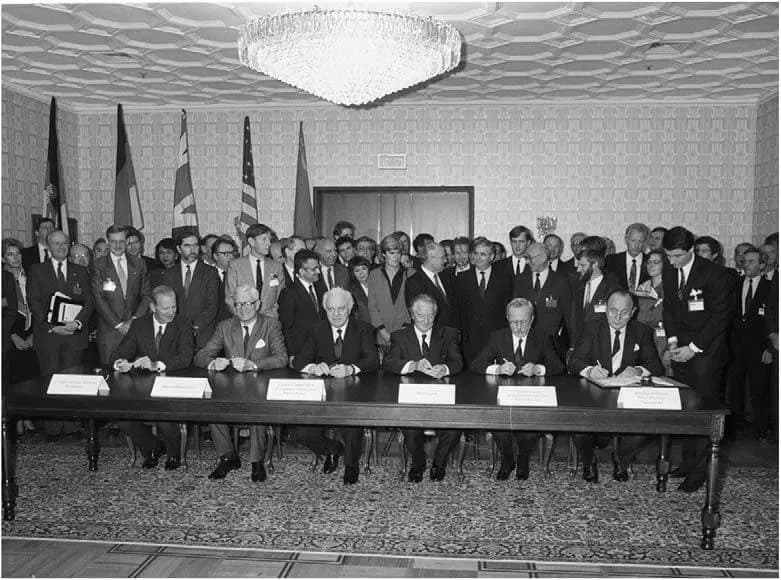
The narrative of unprovoked Russian aggression has become the comfortable orthodoxy of Western policy discourse, obscuring a more complex historical reality rooted in the 1990 commitments made to facilitate Soviet acquiescence to German reunification. In February 1990, as the Soviet empire convulsed with internal contradictions and the Berlin Wall crumbled into dust, U.S. Secretary of State James Baker journeyed to Moscow with an explicitly framed proposal: a united Germany could remain within NATO, preserving American influence in Europe, but only if the West provided binding assurances that the alliance would not expand eastward. Baker stated with diplomatic precision: “not an inch of NATO’s present military jurisdiction will spread in an eastern direction,” and Gorbachev, facing monumental domestic pressure and economic collapse, accepted this framework as the price of permitting German unification without Soviet blockade or intervention.
THE SECURITY DILEMMA IN INTERNATIONAL ANARCHY: REALIST THEORY
AND THE LOGIC OF RUSSIAN BEHAVIOR
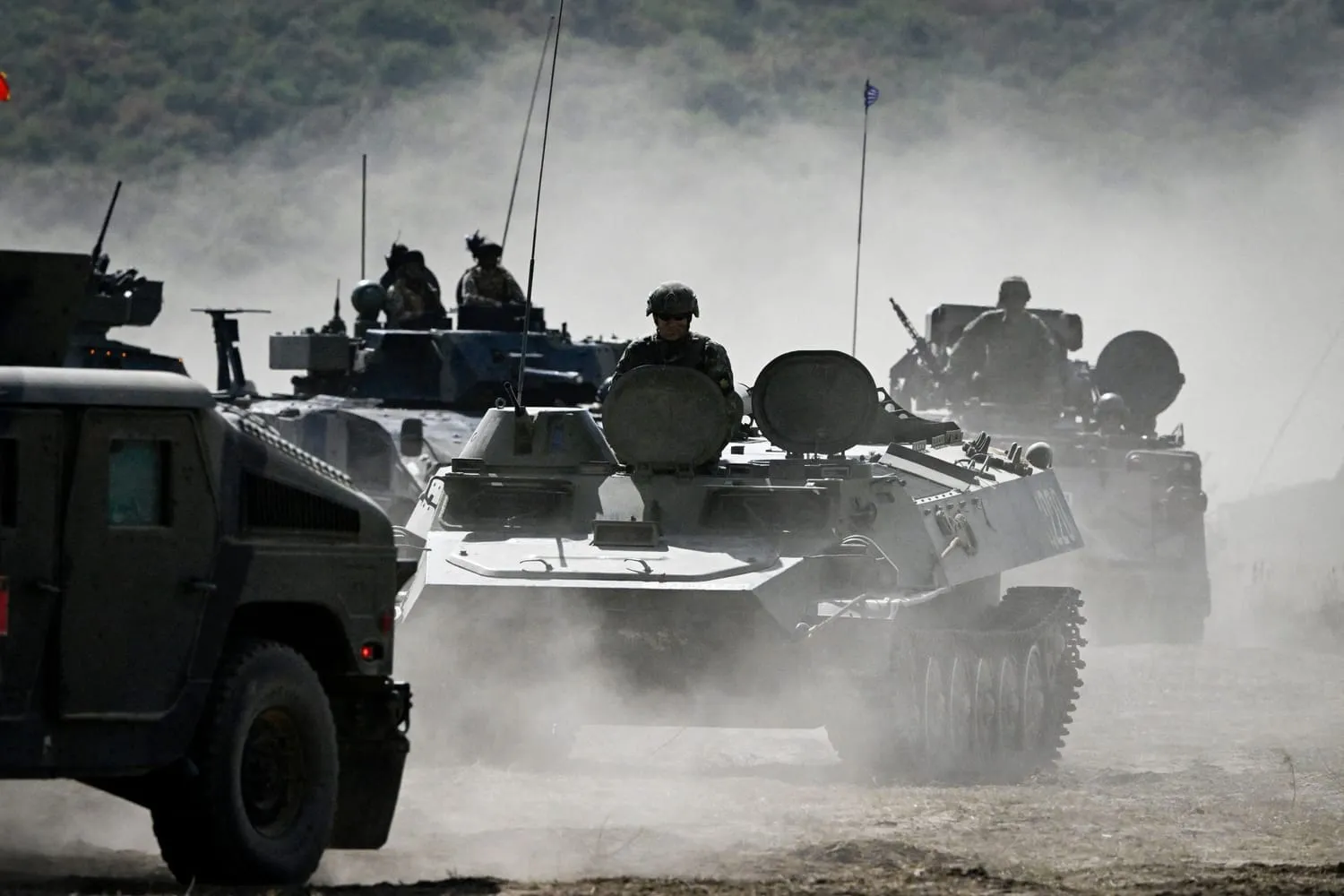
To comprehend Russian actions requires stepping beyond moral condemnation into the technical language of international relations theory, specifically the concept of the “security dilemma” articulated most rigorously by realist theorists like John Mearsheimer. The security dilemma stipulates that “the measures a state takes to increase its own security usually decrease the security of other states. Thus, it is difficult for a state to increase its own chances of survival without threatening the survival of other states.” In an anarchic international system, one lacking a supranational authority to enforce agreements, states necessarily engage in self-help behavior, accumulating power and allies not from imperial ambition alone but from rational calculation of survival in a fundamentally uncertain world.
THE CUBAN MISSILE CRISIS AS HISTORICAL TEMPLATE: PRAGMATISM OVER PRINCIPLE
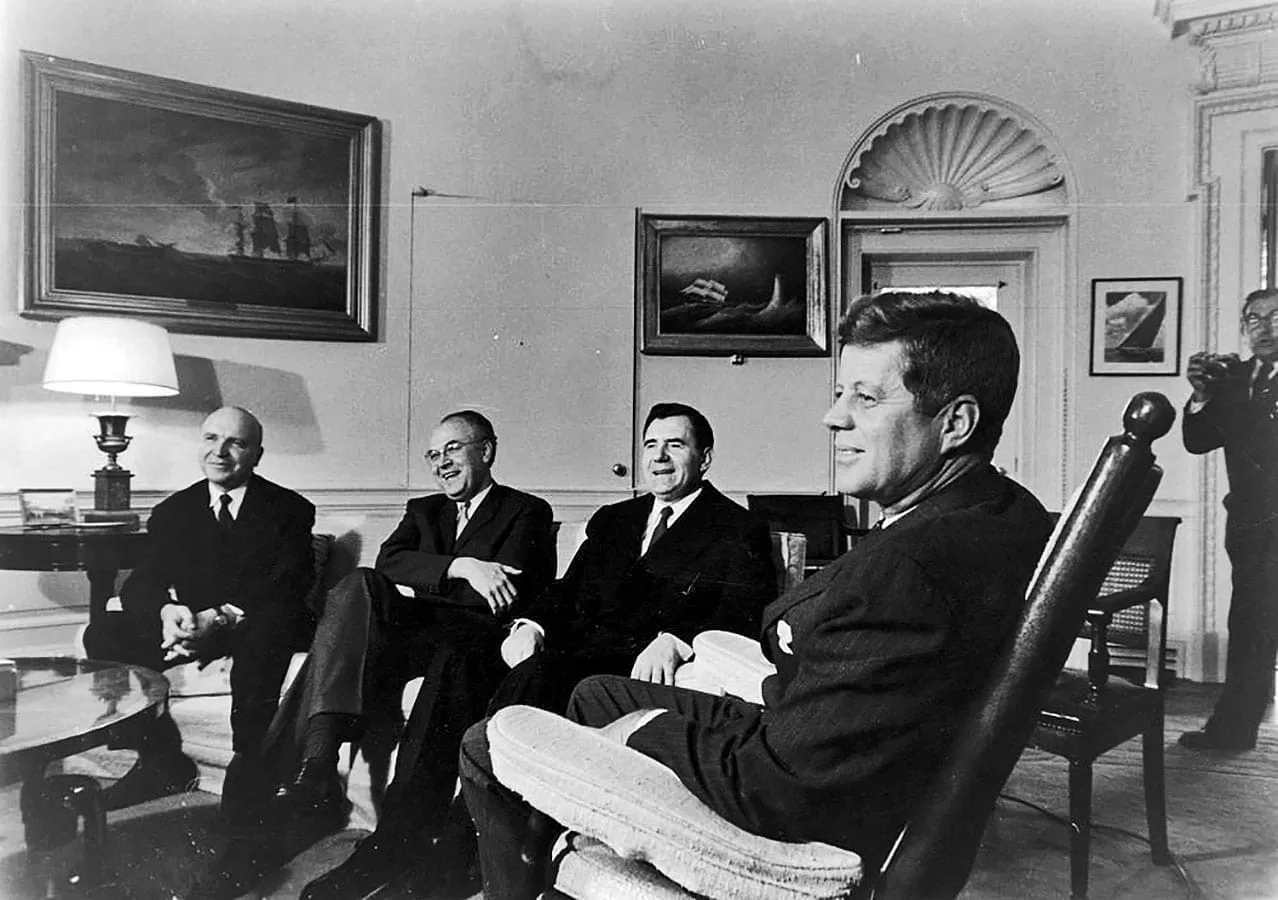
The parallels between October 1962 and the current Ukraine crisis are more instructive than Western critics of Trump’s plan typically acknowledge. When Soviet Premier Nikita Khrushchev deployed medium- and intermediate-range ballistic missiles to Cuba, approximately 90 miles from the American mainland, Kennedy faced a genuine strategic threat. The missiles represented not merely symbolic hostility but tangible capacity for first-strike damage to American territory and population centers. Kennedy’s military advisors advocated for immediate air strikes followed by invasion; some even recommended nuclear escalation, confident that American advantages would prevail.
THE RUSSIAN ANALOGY: SYMMETRICAL SECURITY LOGIC IN THE UKRAINE CRISIS
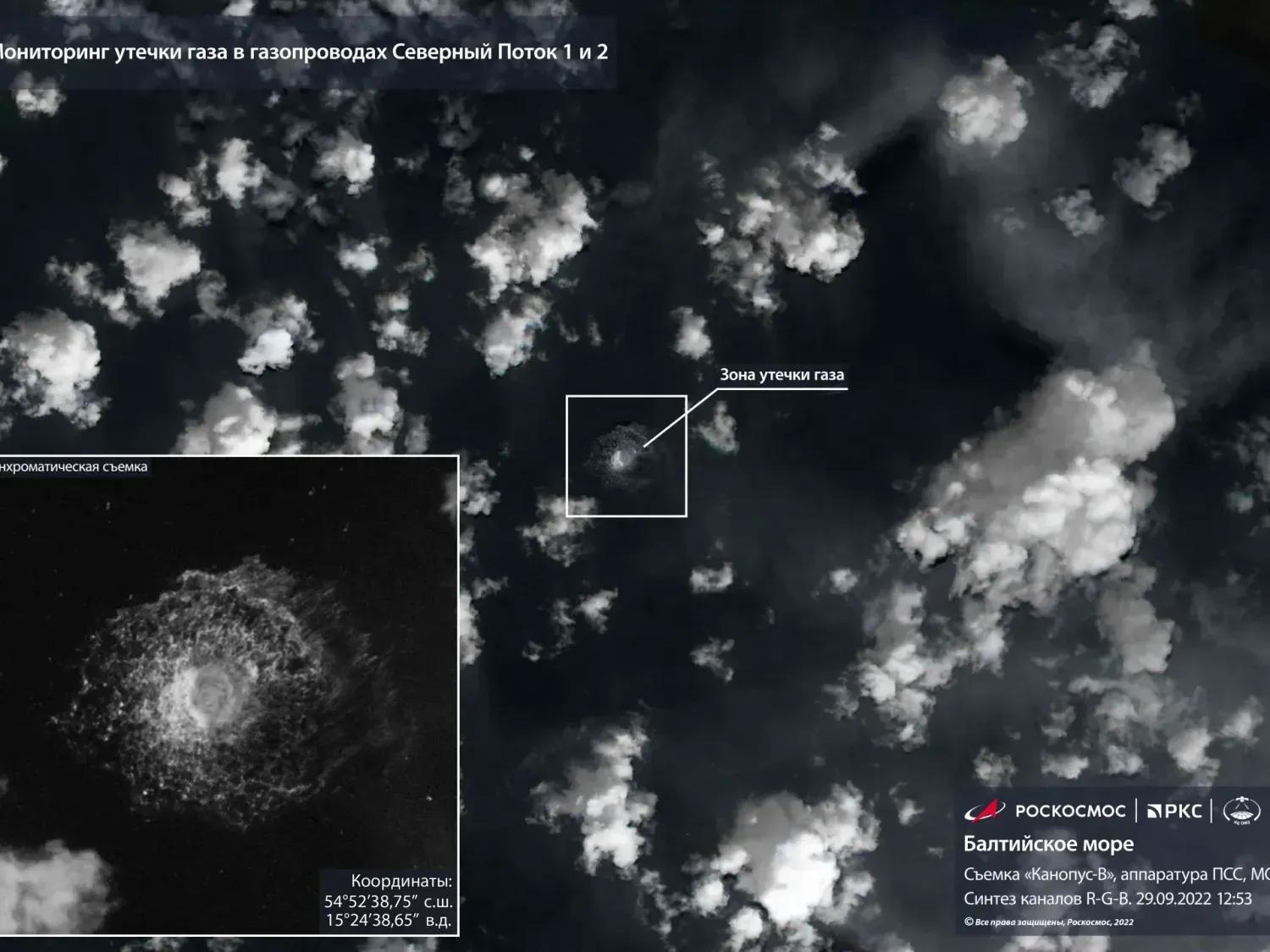
Russian Foreign Minister Sergey Lavrov has explicitly drawn the parallel between Cuba 1962 and Ukraine 2022, though critics often dismiss such claims as propagandistic distortion. Yet the structural logic deserves serious examination. Lavrov stated: “There are similarities to the Cuban missile crisis, mainly because Russia is now threatened by Western weapons in Ukraine.” He continued: “I hope that in today’s circumstances, President Joe Biden will have a better understanding of who is giving the orders and how.” In Lavrov’s construction, Ukraine’s integration into NATO, particularly if NATO weapons and military infrastructure were deployed on Ukrainian soil, would replicate the Cuban scenario from Moscow’s perspective.
THE BIDEN ADMINISTRATION'S STRATEGIC AMBIGUITY: A FAILED DETERRENCE MODEL
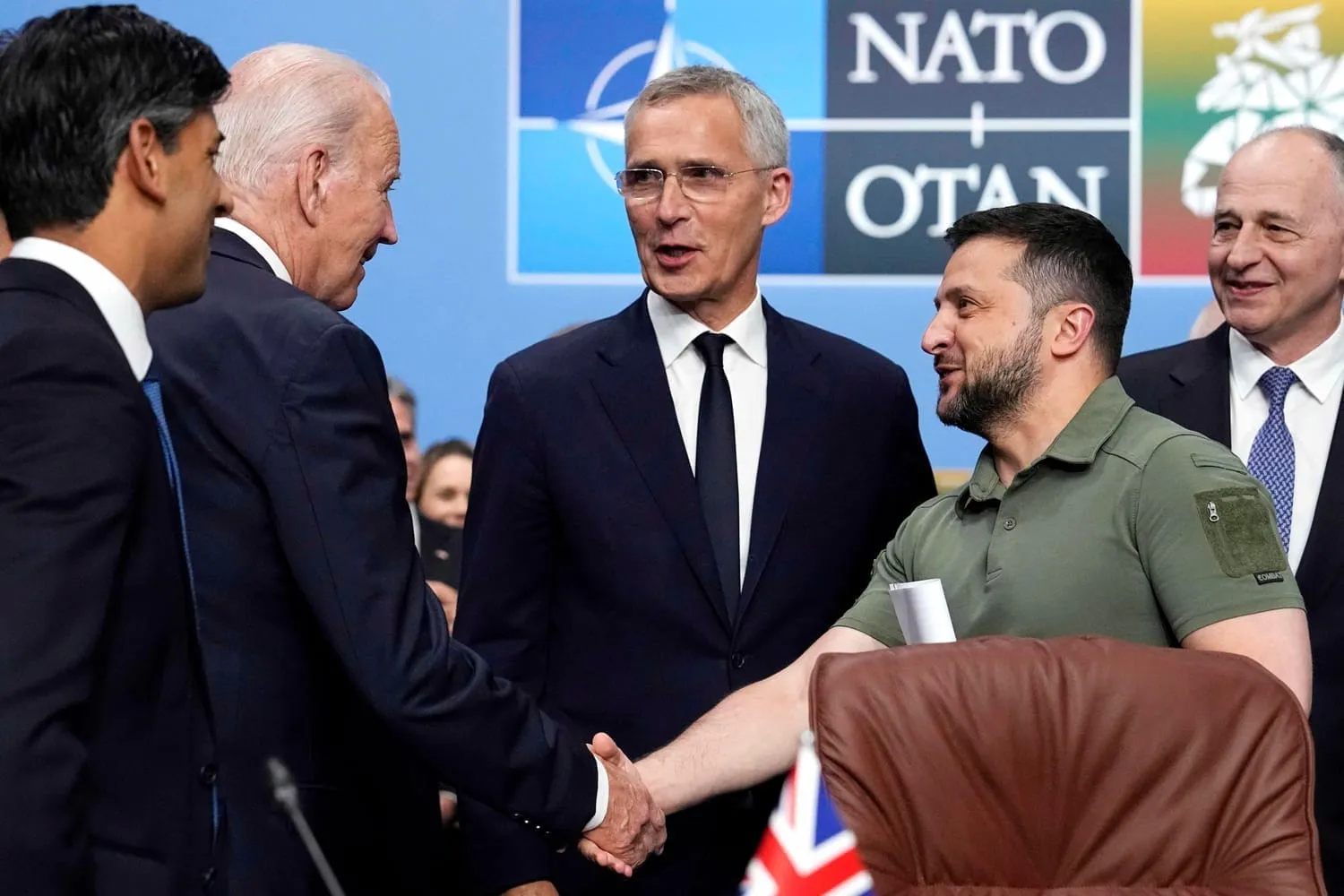
The Biden administration’s approach to Ukraine’s NATO aspirations compounded the structural security dilemma with an additional layer of strategic confusion. Throughout 2021 and early 2022, Biden administration officials repeated ritualistic incantations that Ukraine’s NATO membership was “in Ukraine’s own hands” and that NATO maintained an “open door policy,” language that signaled American commitment while simultaneously acknowledging diplomatic reality. At the June 2021 NATO Brussels Summit, the alliance issued a statement calling the decision for Ukraine’s NATO membership “irreversible,” the strongest possible language short of formal membership invitation.
THE UNCOMFORTABLE LOGIC OF TERRITORIAL CONCESSION
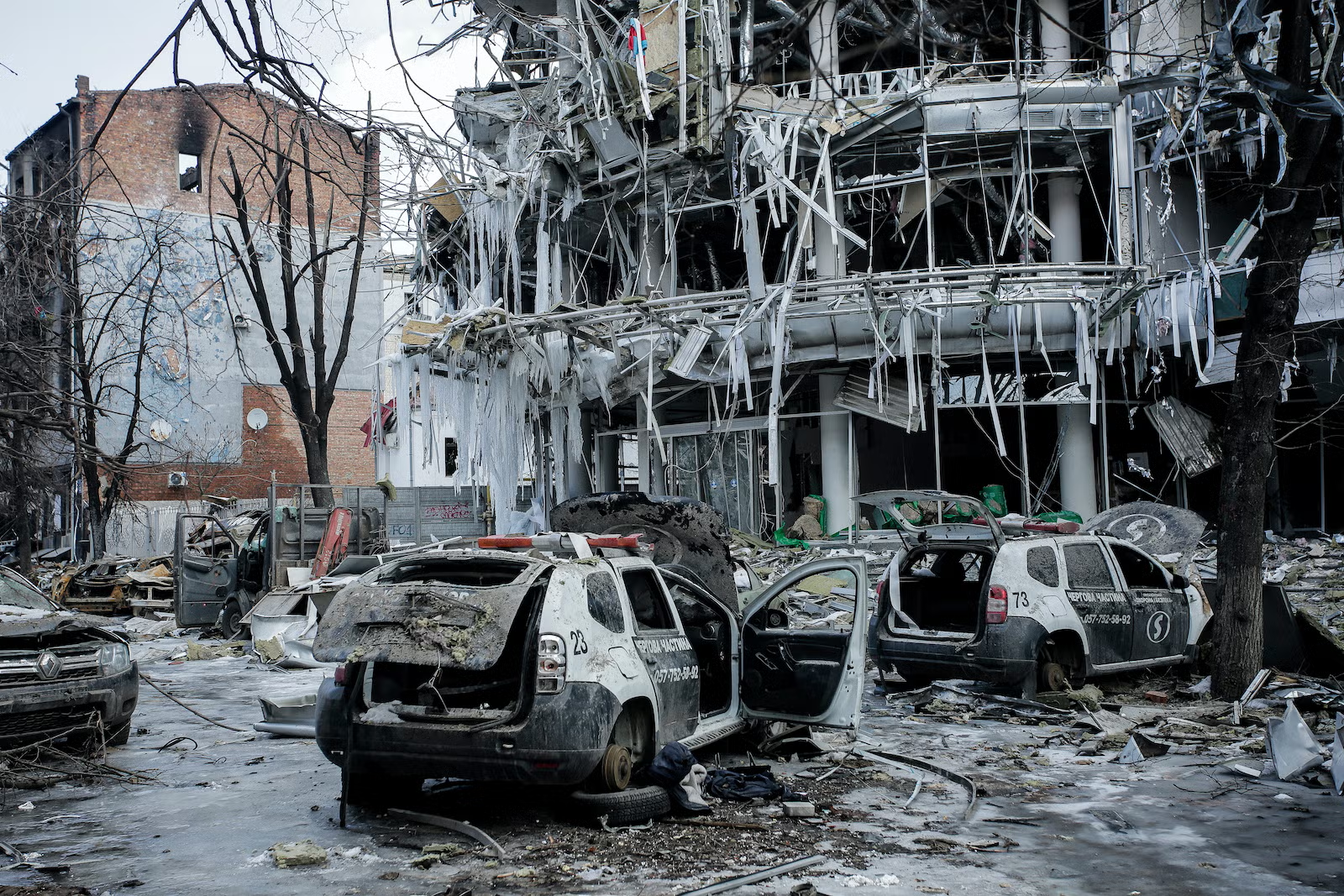
It is here that this editorial must confront the most painful dimension of the Trump peace proposal. The plan requires Ukraine to accept the permanent loss of approximately 20 percent of its internationally recognized territory—Crimea, Luhansk, and Donetsk—with Kherson and Zaporizhzhia frozen along current contact lines. This represents the definitive failure of Western diplomatic strategy and military support. Yet the alternative scenarios warrant serious consideration.
EUROPEAN OBJECTIONS AND THE SPECTER OF APPEASEMENT ANXIETY
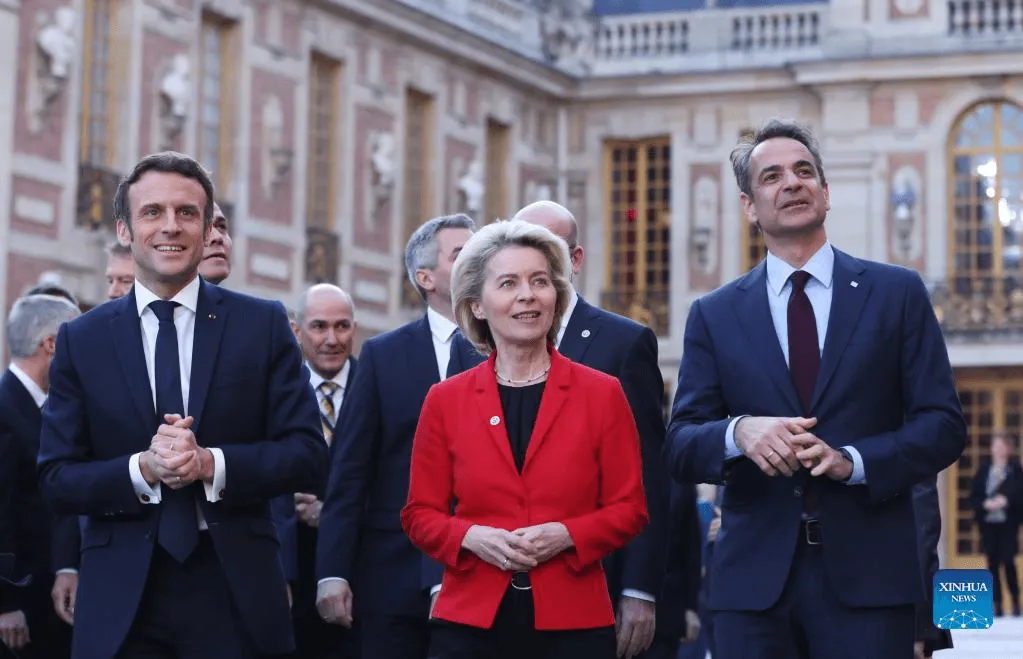
European leaders, most forcefully represented by Ursula von der Leyen, Emmanuel Macron, and Friedrich Merz, have articulated objections rooted in the historical memory of Munich 1938, when democracies conceded Czechoslovak territory to Hitler on the assumption that limited appeasement would satisfy his ambitions, only to discover that appetite grows with eating. Winston Churchill’s caustic denunciation of the Munich Agreement as a “total and unmitigated defeat” for Britain and Europe has become the ur-text for Western resistance to territorial concessions by dictators.
THE TRAGIC CHOICE BEFORE UKRAINE: BETWEEN PRINCIPLES AND SURVIVAL
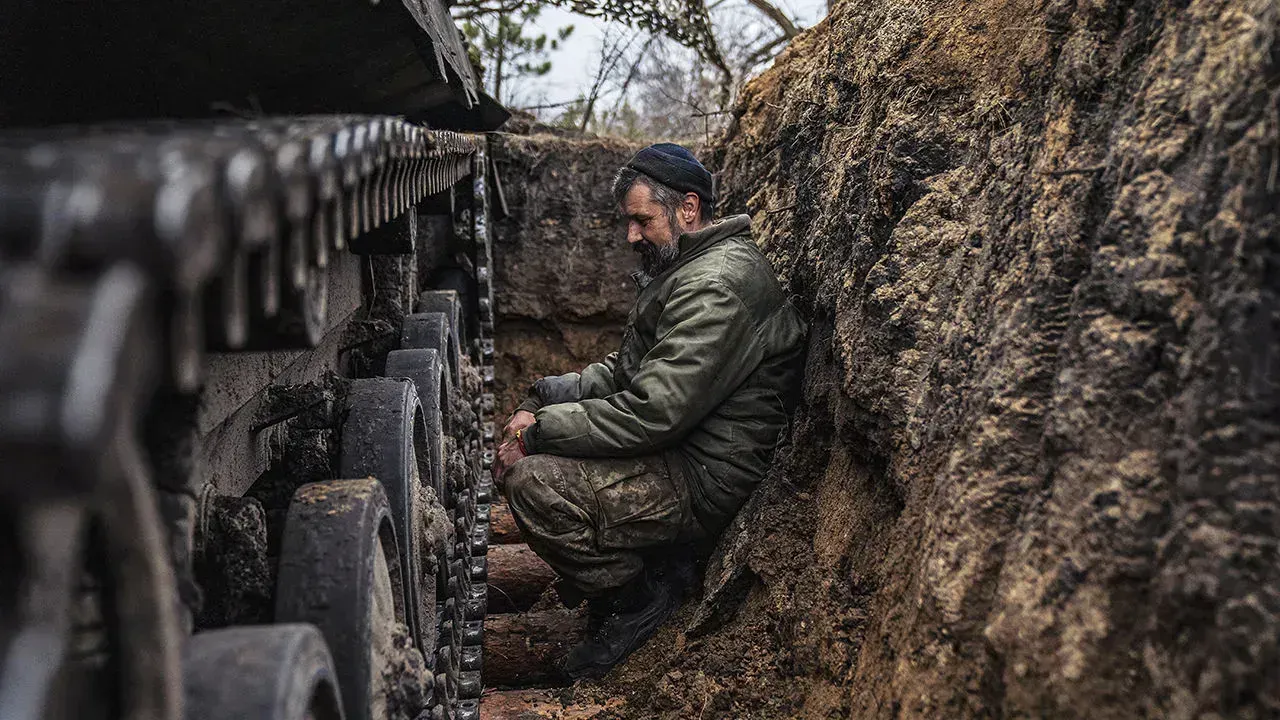
The Trump peace proposal forces Ukraine to confront what international relations theory recognizes as a tragic choice—circumstances where every available option carries grave costs, and no genuinely satisfactory resolution exists. Ukraine can first continue the war in pursuit of complete territorial restoration and NATO membership. This path offers moral clarity, fighting against territorial conquest and for national aspirations. But it carries escalating material and human costs.
Ukraine’s force generation capacity has been severely degraded; conscription rates are declining; Western military aid, while substantial, faces political uncertainty in Congress and among European allies. The likely outcome of this trajectory is not Ukrainian victory but gradual territorial loss accompanied by continued casualties, potentially resulting in Ukrainian defeat worse than current territorial losses.
THE REALIST DEFENSE OF PRAGMATIC COMPROMISE
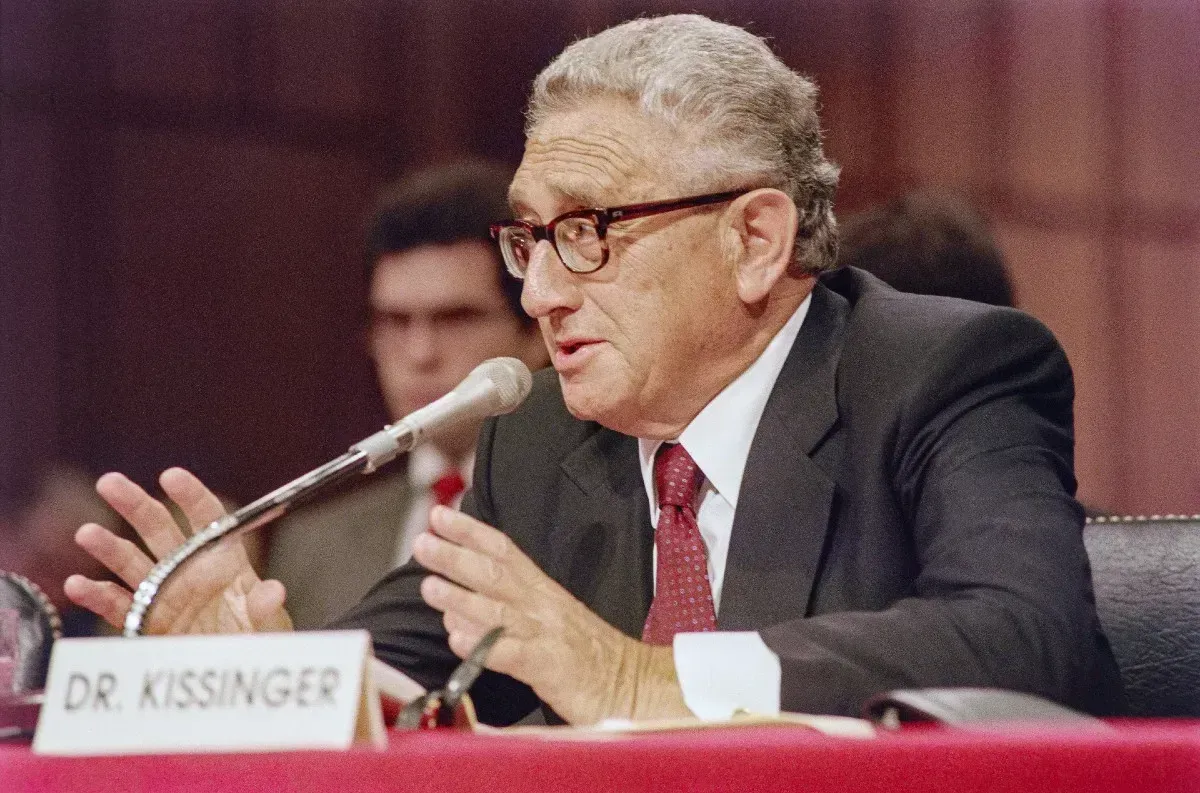
Henry Kissinger’s philosophy of realpolitik, which dominated American foreign policy during his tenure as National Security Advisor and Secretary of State, offers an intellectual foundation for the position that geopolitical realities sometimes demand principled compromise. Kissinger’s approach was characterized by “a pragmatic and realistic understanding of the world as it truly exists rather than pursuing idealistic or wishful thinking.” He believed that “foreign policy is not a fable of progress with a happy ending but an endless balancing of dissatisfactions.”
ACKNOWLEDGMENT OF SHARED RESPONSIBILITY AND STRATEGIC MISCALCULATION
A comprehensive reckoning must acknowledge that the road to this catastrophe was constructed brick by brick through decisions made across decades by multiple actors, not exclusively by Russian aggression.
WHEN PRAGMATISM BECOMES MORAL NECESSITY
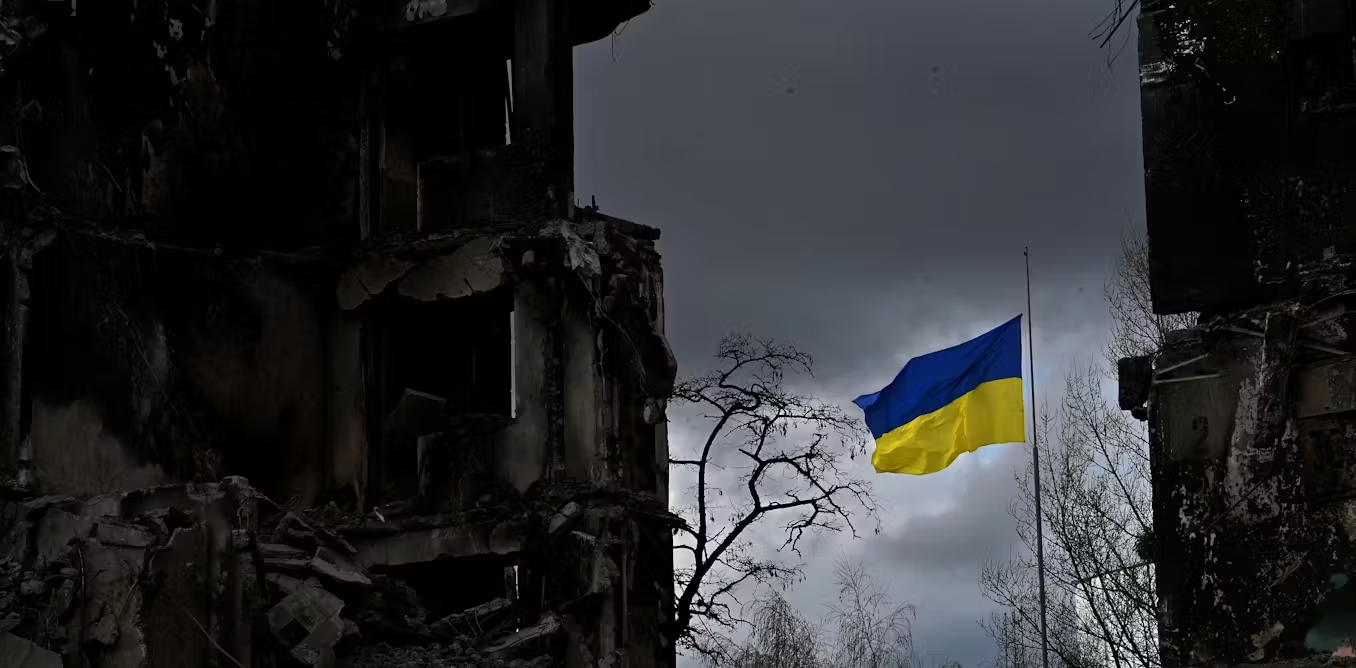
The Trump peace proposal is not just; Ukraine loses territory that international law clearly designates as its sovereign domain. The proposal is not permanent; Russia will retain the capacity to violate the agreement if circumstances shift unfavorably. The proposal represents the humiliation of the Western alliance’s most significant security commitment since the end of the Cold War.
Oliver N.E. Kellman, Jr., J.D.Managing Partner & Executive Managing DirectorInsights na sua caixa de entrada
Assine para receber as nossas analises e novidades na sua caixa de entrada.
Respeitamos a sua privacidade. Cancele a qualquer momento.
Analises relacionadas
Republican Party Crisis: American Democracy in Decline
Oliver Kellman analyzes the collapse of conservative principles and the dismantling of institutional safeguards within the modern Republican Party.
Ler artigo
The Exclusive Citizenship Act: Why Ending Dual Citizenship Threatens U.S. Power
Senator Bernie Moreno’s Exclusive Citizenship Act would strip millions of Americans of citizenship, violate Supreme Court precedent, and directly sabotage President Trump’s Gold & Platinum Card investment strategy.
Ler artigo
President Trump’s Global Realism: Why “America First” Still Requires Strategic Openness
President Trump’s latest remarks on high-skill immigration reveal a deeper evolution of “America First”: a doctrine rooted in national strength, global advantage, and pragmatic talent strategy. This editorial examines how selective openness has historically powered American innovation — and why strategic immigration remains essential to U.S. leadership in AI, defense, and advanced manufacturing.
Ler artigoMantenha-se informado
Assine para receber as nossas analises e novidades na sua caixa de entrada.
Respeitamos a sua privacidade. Cancele a qualquer momento.