Capital
America’s Credit Score Wake-Up Call: Repairing the Foundations of Financial Mobility
U.S. credit scores just suffered their steepest drop since the Great Recession. This editorial explores the roots of the crisis—student loans, debt traps, wage stagnation—and outlines reforms needed to restore mobility and opportunity for millions of Americans.
 Por Oliver N.E. Kellman, Jr., J.D.
AMERICA’S CREDIT SCORE WAKE-UP CALL: REPAIRING THE FOUNDATIONS OF FINANCIAL MOBILITY
The latest FICO data should leave every American household uneasy: in 2025, the average credit score in the United States dropped to 715, the sharpest annual decline since the Great Recession. What sounds like a small two-point dip is, beneath the surface, an early warning, an indicator that millions of households are buckling under the weight of rising debt, renewed student loan payments, and the aftershocks of years of economic turbulence.
Living with a weak credit score is not just about paying more for car loans and mortgages. Credit scores are silent gatekeepers of American opportunity, affecting who is allowed to buy a home, launch a business, or even rent an apartment. A mass decline in these scores means more than statistical discomfort; it signals a fraying of the social contract itself.
The Roots of a Crisis
Historically, American leaders have warned about the perils of unchecked debt. Thomas Jefferson once declared, “I place economy among the first and most important republican virtues, and public debt as the greatest of the dangers to be feared.” Two centuries later, his message is painfully relevant for the millions living paycheck to paycheck, particularly as pandemic relief ends and borrowing costs remain punishingly high.
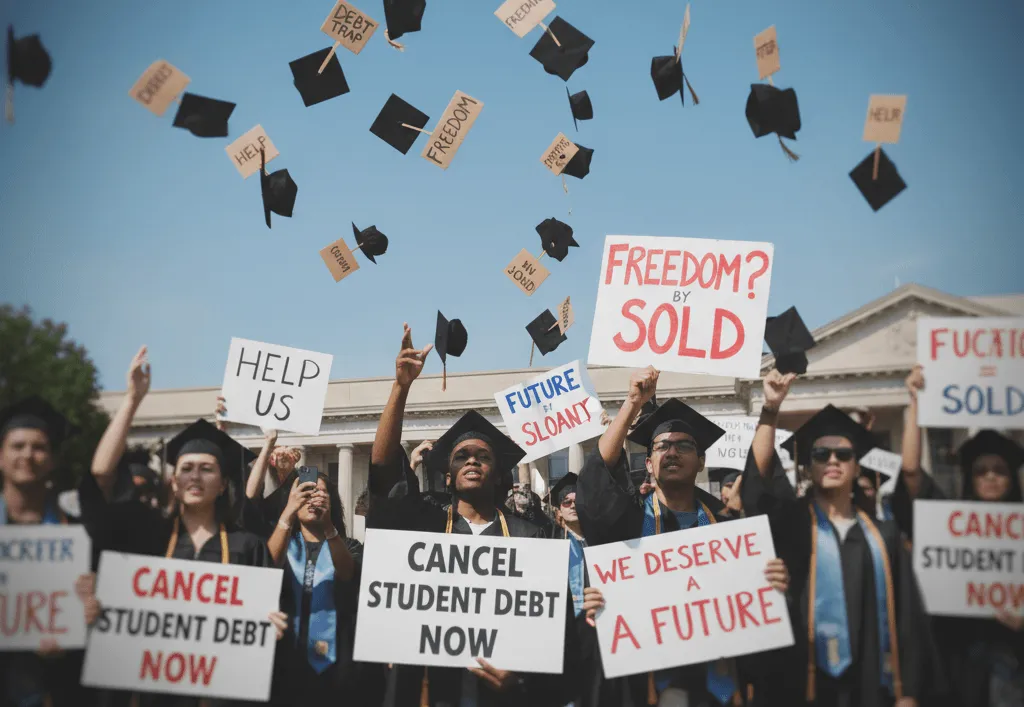
What’s different today is the shape of the threat. Student loans, credit card debt, and auto loans have combined into a storm that especially punishes Gen Z and Millennials, graduates thrust into a workforce where stagnant wages cannot keep pace with university price tags or soaring rents. When student loan payments resumed this year, the effect was immediate and visible. Younger adults, who should be building their financial futures, are instead watching their creditworthiness erode three points on average, sometimes more if a missed payment triggers ripple effects across their entire credit profile.
When Scores Drop, So Does Mobility
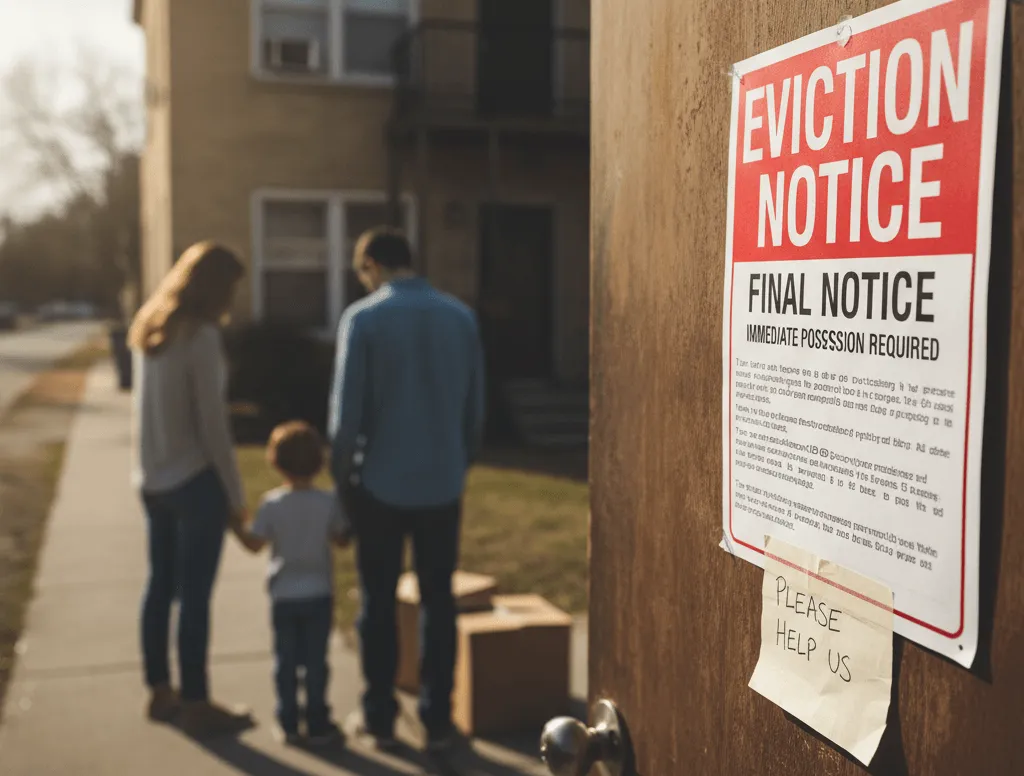
A credit score drop does not just dent pride. It widens the gap between those who can weather a crisis and those pushed further into economic precarity. Lending gets tighter. Homeownership becomes a dream deferred. Small emergencies, a job loss, a health scare, a car breakdown, become harder to manage because affordable credit dries up for those who need it most.
This is not the story of a few unlucky borrowers. It is a systemic issue, as record delinquencies on credit cards and auto loans confirm. While Wall Street touts market highs, Main Street is left dodging “insufficient funds” notices, and failing to get ahead no matter how diligently they budget.
Lessons from History and the Need for Action
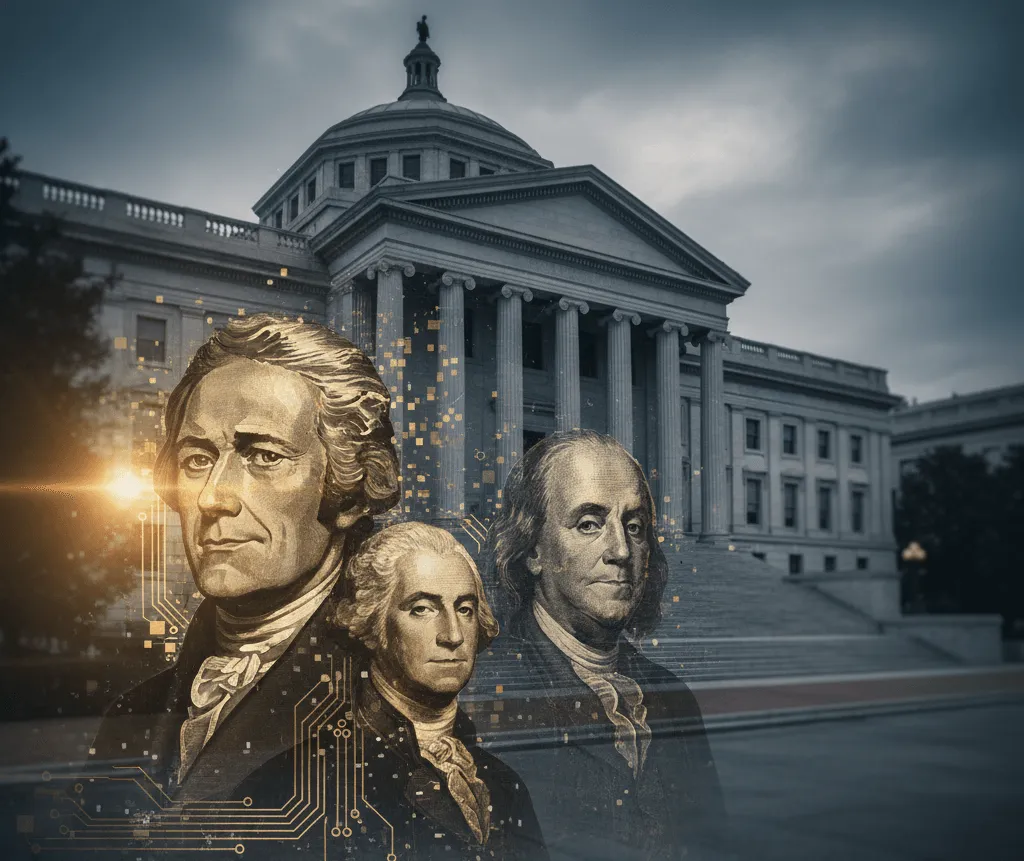
Founding fathers like Franklin believed that “when you run in debt, you give another power over your liberty.” The modern, algorithm-driven version of this truth is the FICO score, which now exerts control over everything from monthly bills to lifetime wealth-building.
But this moment also offers a chance to reset. The path to real reform is clear, if policymakers and financial leaders will act.
Fix the Student Debt Trap: Restructure repayment options so payments never exceed a moderate slice of income, with targeted relief for the most vulnerable and new graduates.
Teach Real World Financial Skills: Make budgeting, debt management, and credit-building central to high school, community college, and public workforce programs.
Reform the Scorekeeper: Lenders and credit agencies should embrace alternative data, rent, utilities, even positive streaming bill payment history, so that millions of responsible payers are counted in, not out.
Tackle Wage Stagnation: Legislators must get serious about raising wages at the bottom and middle, so earnings keep up with costs and families aren’t forced to borrow for household basics.
Temporary Rate Relief: For those hit hardest by economic shocks, federal and state authorities should consider capping or deferring interest rates, staving off a credit score death spiral.

A New Social Contract
America’s reputation as a land of opportunity is measured not in headlines or quarterly earnings, but in whether ordinary people believe they can get ahead. Today, too many are forced to live under the shadow of ten-second algorithmic judgments. If the foundations, wages, education, and fair access to credit remain neglected, we all bear the consequences.
The fall in America’s credit score is a wake-up call. The promise of economic mobility depends on repairing these pillars, not just for a few, but for millions seeking a stake in the future. If our political and financial leaders fail to act, the cost will not simply be measured in points lost, but in dreams deferred, and a generation’s trust, broken.
Oliver N.E. Kellman, Jr., J.D.Managing Partner & Executive Managing DirectorInsights na sua caixa de entrada
Assine para receber as nossas analises e novidades na sua caixa de entrada.
Respeitamos a sua privacidade. Cancele a qualquer momento.
Analises relacionadas
A New American Wealth Architecture: Inside the Emerging U.S. Sovereign Wealth System
DLG Partners unveils a comprehensive strategic briefing on the rise of America’s de facto sovereign wealth architecture under President Trump. This analysis explains how equity stakes, critical mineral investments, industrial base funds, and allied capital are reshaping U.S. economic power before a formal sovereign wealth fund even exists.
Ler artigo
Shadow Networks: JD Vance, Palantir, and the GOP’s Civil Liberties Crisis
A deep investigation into JD Vance, Palantir, GOP fractures, and the rising danger of America building its own surveillance state in China’s image.
Ler artigo
China’s Yuan Offensive: CIPS Expansion, De-Dollarization, and the Future of Global Finance
China’s Cross-border Interbank Payment System (CIPS) is reshaping global finance, challenging the dollar’s dominance and driving de-dollarization across Africa, Asia, and the Middle East. This deep analysis explores historical parallels, geopolitical stakes, and U.S. strategies to reclaim financial primacy.
Ler artigoMantenha-se informado
Assine para receber as nossas analises e novidades na sua caixa de entrada.
Respeitamos a sua privacidade. Cancele a qualquer momento.